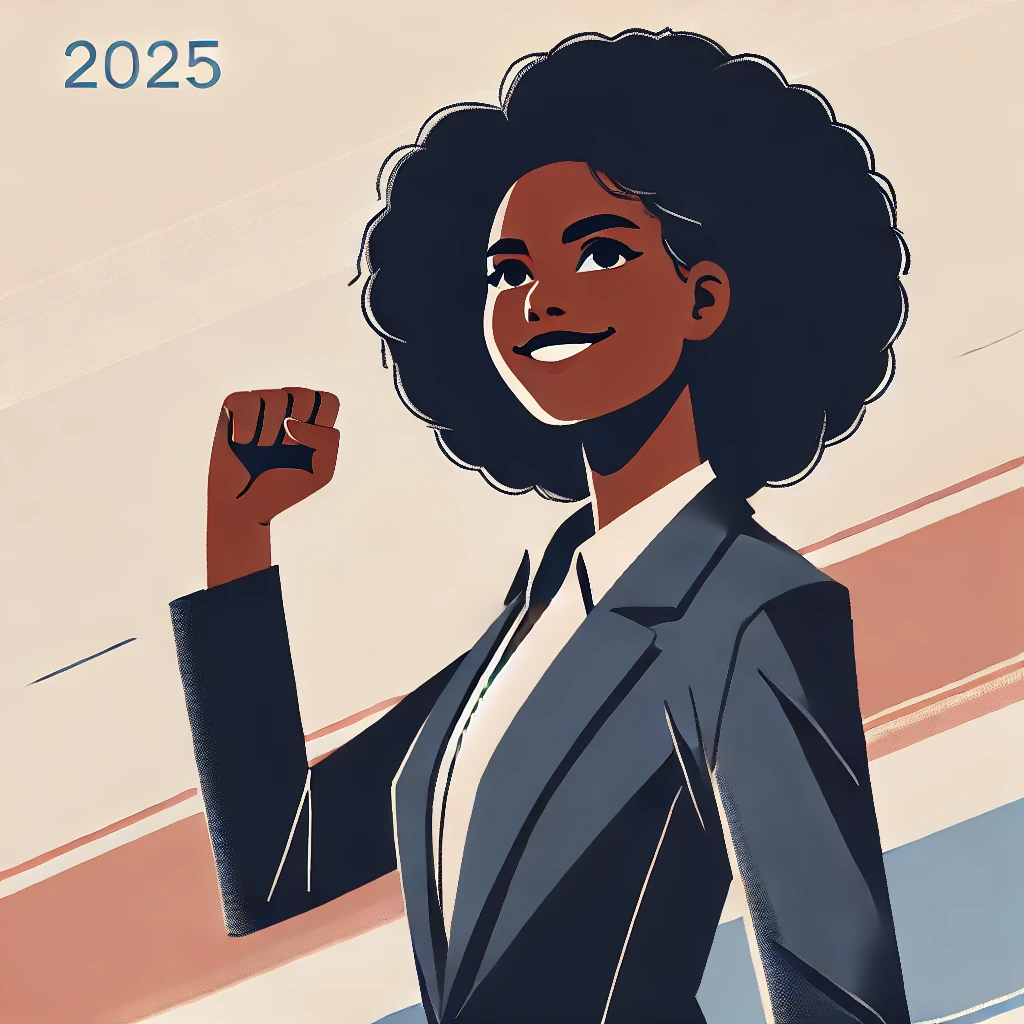
8th of March 2025 is the International Women’s Day, and the theme for 2025 is nothing short of topical and high on time: Accelerate Action. It serves a good cause to cast a look on where we stand with women representation on Our Boards.
Women belong in the board rooms and at the decision-making tables. Statistics cannot speak louder. Data from Fortune 1000 companies reveals that, on average, women-led firms report higher revenues (19%) compared to those led by men (13%) with nearly the same profit. In asset management, female-led companies tend to manage larger asset under management levels (averaging £128 billion), compared to male-led firms (average £55 billion). An analysis by BlackRock indicates that companies within the MSCI World Index with female CEOs outperformed those led by men by an average of 1 percentage point in Return on Assets (RoA) over the 2014-2022 period. Despite this outperformance, women constituted only 6% of CEOs as of 2022.
Studies also show that female CEOs often adopt more collaborative and inclusive leadership styles, focusing on long-term goals rather than short-term profits, which can lead to higher employee satisfaction and retention rates, potentially contributing to better organizational performance.

According to recent data, women’s representation on corporate boards globally has been improving, though inequality remains across regions and industries. The UN report on the Sustainable Development Goals forecasts that women’s share of workplace management positions will remain below parity even by 2050.
Some countries have taken a legislative initiative though. With Norway pioneering the legislation with a requirement of 40% female representation on corporate boards and several countries in Europe and Asia taking steps in the same direction, a path towards gender diversity in the boardroom is set. According to the latest poll by PaperJam, quotas have accelerated gender parity on corporate boards in countries like France, Belgium and Italy, while in Luxembourg where board representation is in high demand, women remain underrepresented in the boardrooms and struggle to reach key positions.
Simply fragmented legislative initiatives are obviously not enough. Hence, the question that remains is: How do we see Accelerating Action to see more women at the board / decision-making table?
I have asked for an opinion from three prominent representatives working with governance, law and financial services, representing different types of industry players and jurisdictions.
Meg Ogunsola, UK, London, Global Director, Entity Management Solutions at Vistra, Global Corporate Service Provider, says that Accelerating Action to increase the number of women at board level and decision-making tables requires a multi-strategy approach including the following elements.
First, according to Meg, having someone already in the room recognise the potential in, and to sponsor and mentor high-performance women is an essential strategy for accelerating change. This support helps women navigate leadership pathways and provides them with the confidence and empowerment to take on leadership roles.
Second, addressing unconscious bias through training and fostering an inclusive culture where women’s leadership, unique perspectives, and voices are valued and supported is crucial. This creates an environment where women can thrive and contribute with impact to decision-making processes.

Third, providing flexible work arrangements, parental leave, and return-to-work policies is important for retaining and promoting women in leadership. These policies help women balance their professional and personal lives, ensuring they can continue advancing in their careers -should they wish to.
Fourth, ensuring there are transparent promotion and hiring practices that are demonstrably merit-based and intentionally seek diverse candidates is key to achieving gender diversity in leadership. This helps eliminate barriers and opens opportunities for women to rise to leadership positions based on their abilities and accomplishments.
Fifth, raising the profile and putting a spotlight on successful women in leadership can inspire the next generation and shift societal perceptions of what a leader looks like. Highlighting the achievements of women in leadership helps to challenge stereotypes and demonstrate that women are just as capable of leading at the highest levels.
Meg concludes that by combining all or some of these actions, and committing to more than just performative policies, organizations can drive real progress toward gender-balanced leadership.
Emily Wicker, USA, New York, Partner in Global Financial Markets Practice at Clifford Chance LLP, President of AWAR, Advancing Women in Aviation Roundtable, is talking, as well, about support from others and is looking positively into women seeking support and encouragement from other female leaders: On International Women’s Day the women of the world need to reflect on the networks of other women in their lives. We may struggle but we ultimately succeed with the love and support of other women. Be thankful for those women in your life who have supported you and lend a hand to bring up the women around you. Be bold, be strong, be proactive. Together we are stronger.
Per Landquist, Sweden, Stockholm, Country Manager at Boardio, global network of advisors and board representatives, is also prompting female leaders to show more proactive attitude. Accelerating Action to bring more women to the board and decision-making table, according to Per, requires both a shift in corporate mindset and proactive steps from female candidates. Companies must recognize the value of diverse leadership (as research below shows*), while women seeking these roles should take strategic action. One effective approach is to actively pursue advisory positions as a stepping stone to board roles. These positions provide valuable experience and networking opportunities that can lead to board appointments.
Additionally, women should identify companies where their expertise can add value and reach out directly, even if no open positions are advertised. Being proactive and selective about potential organizations increases the chances of securing a meaningful leadership role. While executive search firms can also be an option, their effectiveness often depends on timing and the availability of open positions.

*A 2019 Harvard Business Review analysis highlighted that gender-diverse teams are more innovative and make better decisions. Companies with greater diversity benefit from a broader range of perspectives, improved risk management, and stronger corporate governance. These findings reinforce the need for more women in leadership—not just for equity, but for tangible business success.

I would summarise that we need to continue with a shift in corporate mindsets, combined with proactive steps from female candidates, which is essential to achieving gender-balanced leadership.
To increase the number of women at board and decision-making levels, a multi-strategy approach is necessary. Such strategy should include elements such as support, sponsorship and mentorship both from men and other females, addressing bias and inclusion, support in work-life balance and flexible work policies, fair and transparent hiring, visibility and highlighting role models, among others.
One of the most common bias opinions on why there are so few women on boards is that there is not enough competence and experience. To increase equality on the boards this must be broken. To jumpstart the system a quota should be more widespread and also enforced, until it’s a common practice and quotas can be relaxed.
Also, as domestic life is at times demanding, the view on flexible work life should be improved. The view on a more balanced child care among the parents, especially in the early part of children’s lives should be encouraged at a larger scale until normalised. Paternal leave, for example, is still not totally accepted in society.
On International Women’s Day, women are encouraged and urged to support and uplift one another, recognizing the strength of their networks and collaboration, and reinforcing that collective strength leads to success and gender balanced leadership. Both corporate mindset shifts and proactive efforts by women aspiring to leadership roles are essential for meaningful progress. Some of such steps are seeking advisory roles as steps towards bord positions and directly approaching companies where their expertise is valuable can open opportunities.
Combined, these strategies and actions can create tangible pathways for more women to secure leadership roles.